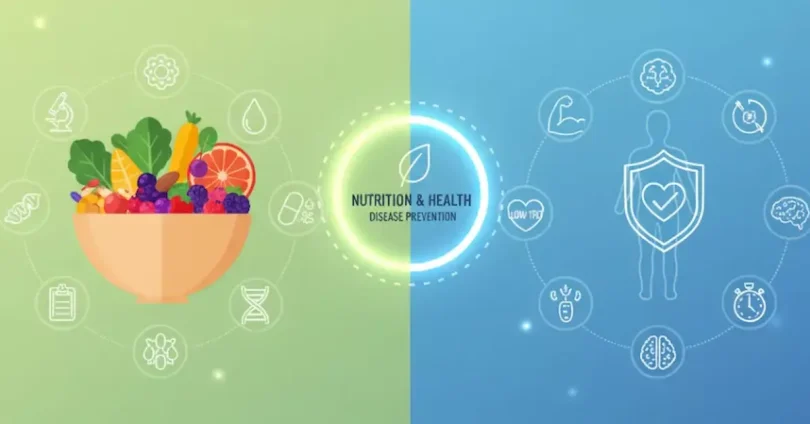

Disease prevention is one of the most effective ways to protect your health and improve your quality of life. Instead of waiting for illnesses to develop, taking preventive steps can help reduce your risk of many common diseases and keep your body strong and healthy. Simple daily habits, such as eating a balanced diet, exercising regularly, getting enough sleep, and practicing good hygiene, can make a significant difference in your overall well-being. Disease Prevention Guide
Many diseases, including heart disease, diabetes, certain infections, and some types of cancer, can be prevented or their risk reduced through healthy lifestyle choices and regular medical care. Preventive measures such as vaccinations, routine health check-ups, and early screenings also play an important role in detecting health problems before they become serious.
Understanding the importance of disease prevention empowers you to make informed decisions about your health. By adopting healthy habits and recognizing potential risk factors, you can lower your chances of developing many illnesses and enjoy a longer, healthier life. Disease Prevention Guide
In this guide, you’ll learn practical and easy-to-follow strategies for preventing disease, strengthening your immune system, and maintaining good health. Whether you’re looking to protect yourself or support your family’s well-being, this article will provide helpful information to guide you toward a healthier future.
What Is Disease Prevention?

Disease prevention refers to the actions people take to reduce the risk of developing illnesses and to maintain good health. Instead of treating diseases after they occur, disease prevention focuses on stopping them before they start or detecting them early when they are easier to manage. It is an important part of living a healthy and active life.
Disease prevention involves making healthy lifestyle choices, following medical advice, and taking preventive measures such as vaccinations and regular health check-ups. These steps help protect your body from infections, chronic diseases, and other health problems.
Why Is Disease Prevention Important?
Preventing disease is often easier, safer, and less expensive than treating it. By adopting healthy habits and identifying health problems early, you can reduce your risk of serious illnesses, avoid complications, and improve your overall quality of life.
How Does Disease Prevention Work?
Disease prevention works by reducing exposure to risk factors and strengthening the body’s ability to stay healthy. It focuses on identifying possible health risks, encouraging healthy behaviours, and detecting diseases before they become severe.
Examples of disease prevention include:
- Eating a healthy and balanced diet
- Exercising regularly
- Drinking enough water
- Getting enough sleep
- Practicing good personal hygiene
- Receiving recommended vaccinations
- Having routine medical check-ups
- Avoiding smoking and excessive alcohol consumption
The Role of Healthy Habits
Healthy daily habits are the foundation of disease prevention. Small lifestyle changes, when practiced consistently, can significantly reduce the risk of many common diseases. Eating nutritious foods, staying physically active, maintaining a healthy weight, and managing stress all contribute to better long-term health.
Who Can Benefit from Disease Prevention?
Disease prevention is important for everyone, regardless of age. Children, teenagers, adults, and older adults can all benefit from preventive healthcare. Developing healthy habits early in life can reduce the risk of illness later and support lifelong well-being.
Key Takeaway
Disease prevention is about protecting your health before problems arise. By following healthy habits, reducing risk factors, and seeking regular medical care, you can lower your chances of developing many diseases and enjoy a healthier, longer, and more active life.
Why Disease Prevention Guide Is Important
Disease prevention is essential for maintaining good health and improving your quality of life. Taking preventive measures can help reduce the risk of many illnesses, detect health problems early, and support a longer, healthier life. Even small lifestyle changes can have a big impact on your overall well-being.
Reduces the Risk of Disease
One of the biggest benefits of disease prevention is lowering the risk of developing common illnesses. Healthy habits such as eating nutritious foods, exercising regularly, getting enough sleep, and avoiding smoking can help prevent conditions like heart disease, diabetes, obesity, and certain infections. Disease Prevention Guide
Improves Overall Health
Preventive care helps keep your body functioning properly. By maintaining a healthy lifestyle, you can improve your energy levels, strengthen your immune system, support better mental health, and reduce the chances of developing chronic health conditions. Disease Prevention Guide
Helps You Live Longer
People who practice healthy habits and receive regular medical care are more likely to live longer and enjoy a better quality of life. Disease prevention reduces the risk of serious illnesses that can shorten life expectancy and affect daily activities. Disease Prevention Guide
Reduces Healthcare Costs
Preventing disease is often less expensive than treating it. Regular health check-ups, vaccinations, and healthy lifestyle choices can help detect health problems early, reducing the need for costly treatments, hospital stays, or surgeries later.
Protects Your Family and Community
Disease prevention benefits not only individuals but also the people around them. Practicing good hygiene, staying home when sick, and keeping vaccinations up to date can reduce the spread of infectious diseases and help protect vulnerable members of the community.
Encourages Healthy Lifestyle Choices
Learning about disease prevention motivates people to make healthier decisions every day. Simple habits like drinking enough water, eating balanced meals, staying active, and managing stress can greatly improve overall health and reduce disease risk.
Supports Early Detection
Regular health screenings and medical check-ups help identify health conditions before symptoms become severe. Early detection often leads to more effective treatment, faster recovery, and better long-term health outcomes. Disease Prevention Guide
Key Takeaway
Disease prevention is one of the most effective ways to stay healthy and reduce the risk of illness. By adopting healthy habits, attending regular medical check-ups, and taking preventive measures, you can protect your health, improve your quality of life, and enjoy a healthier future. Disease Prevention Guide
you may also like it;
Healthy Product Reviews for Smarter Choices
Wellness Product Guide for a Healthier Lifestyle
Fitness Equipment Reviews for Smarter Buying
Health Supplement Reviews for Smarter Choices
Types of Disease Prevention
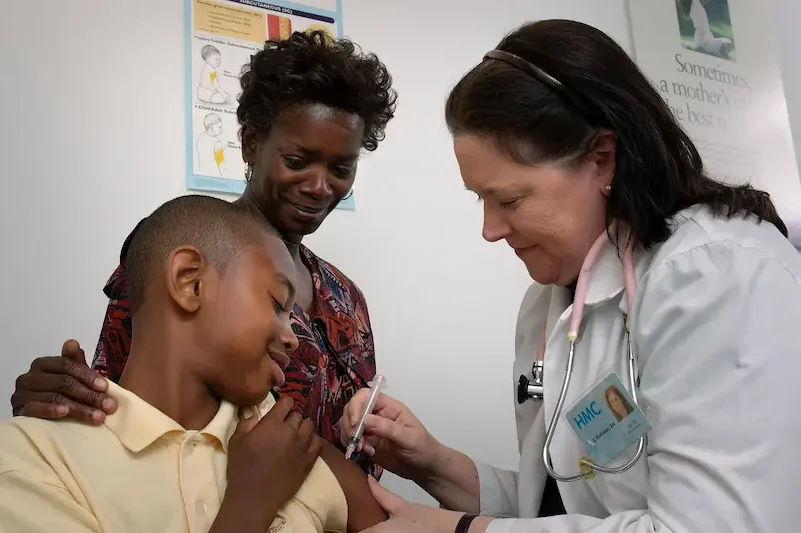
Disease prevention is divided into three main types: primary prevention, secondary prevention, and tertiary prevention. Each type focuses on protecting your health at a different stage. Together, they help reduce the risk of disease, detect health problems early, and prevent complications. Disease Prevention Guide
Primary Prevention
Primary prevention aims to stop diseases before they develop. It focuses on reducing risk factors and encouraging healthy habits that protect the body from illness. Disease Prevention Guide
Common examples of primary prevention include:
- Eating a healthy and balanced diet
- Exercising regularly Disease Prevention Guide
- Getting recommended vaccinations
- Practicing good personal hygiene
- Avoiding smoking and excessive alcohol consumption
- Maintaining a healthy weight
- Managing stress effectively
These healthy habits can lower the risk of many conditions, including heart disease, diabetes, and certain infections.
Secondary Prevention
Secondary prevention focuses on detecting diseases early, often before symptoms appear. Early diagnosis allows treatment to begin sooner, improving the chances of successful recovery and reducing the risk of serious complications. Disease Prevention Guide
Examples of secondary prevention include:
- Regular health check-ups
- Blood pressure screenings
- Blood sugar testing
- Cholesterol tests
- Cancer screenings such as mammograms and colon screenings
- Eye and dental examinations
Routine screenings help identify health problems early when they are easier to treat. Disease Prevention Guide
Tertiary Prevention
Tertiary prevention is designed for people who already have a disease or long-term health condition. Its goal is to manage the condition, reduce complications, and improve quality of life. Disease Prevention Guide
Examples of tertiary prevention include:
- Taking prescribed medications Disease Prevention Guide
- Physical rehabilitation after surgery or injury Disease Prevention Guide
- Managing diabetes through healthy eating and medication
- Cardiac rehabilitation after a heart attack Disease Prevention Guide
- Regular medical follow-up appointments Disease Prevention Guide
- Lifestyle changes to prevent further health problems
This type of prevention helps people remain as healthy and active as possible while managing their condition.
Why All Three Types Are Important
Each type of disease prevention plays an important role in protecting your health. Primary prevention reduces the chance of developing diseases, secondary prevention identifies illnesses early, and tertiary prevention helps people manage existing conditions effectively. Together, they support better health and improve overall well-being. Disease Prevention Guide
Key Takeaway
Disease prevention includes primary, secondary, and tertiary prevention, with each focusing on a different stage of healthcare. By following healthy habits, attending regular screenings, and managing existing health conditions, you can reduce your risk of illness and enjoy a healthier, more active life. Disease Prevention Guide
What is disease prevention?
Disease prevention refers to the steps people take to reduce the risk of developing illnesses and maintain good health. It includes healthy lifestyle habits, vaccinations, regular health check-ups, and early screenings to prevent or detect diseases.
Why is disease prevention important?
Disease prevention helps lower the risk of illness, improves overall health, reduces healthcare costs, and increases the chances of living a longer, healthier life. It also helps detect health problems early when they are easier to treat.
What are the three types of disease prevention?
The three main types of disease prevention are:
Primary prevention: Prevents diseases before they occur.
Secondary prevention: Detects diseases early through screenings and regular check-ups.
Tertiary prevention: Manages existing diseases to prevent complications and improve quality of life.
Conclusion
Disease prevention is one of the most effective ways to protect your health and improve your quality of life. By adopting healthy habits and taking preventive measures, you can reduce your risk of many common diseases and enjoy a longer, healthier life. Simple actions such as eating a balanced diet, exercising regularly, getting enough sleep, practicing good hygiene, and attending routine health check-ups can make a significant difference.
Preventing disease is not just about avoiding illness—it is also about maintaining your physical, mental, and emotional well-being. Regular screenings, recommended vaccinations, and early detection can help identify health problems before they become serious, leading to more effective treatment and better outcomes.
Remember, small lifestyle changes made consistently can have lasting health benefits. Whether you are improving your diet, staying active, or managing stress, every positive step brings you closer to better health.
Start making disease prevention a part of your daily routine today. By taking care of your body and making informed health choices, you can protect yourself, support your loved ones, and build a healthier future.