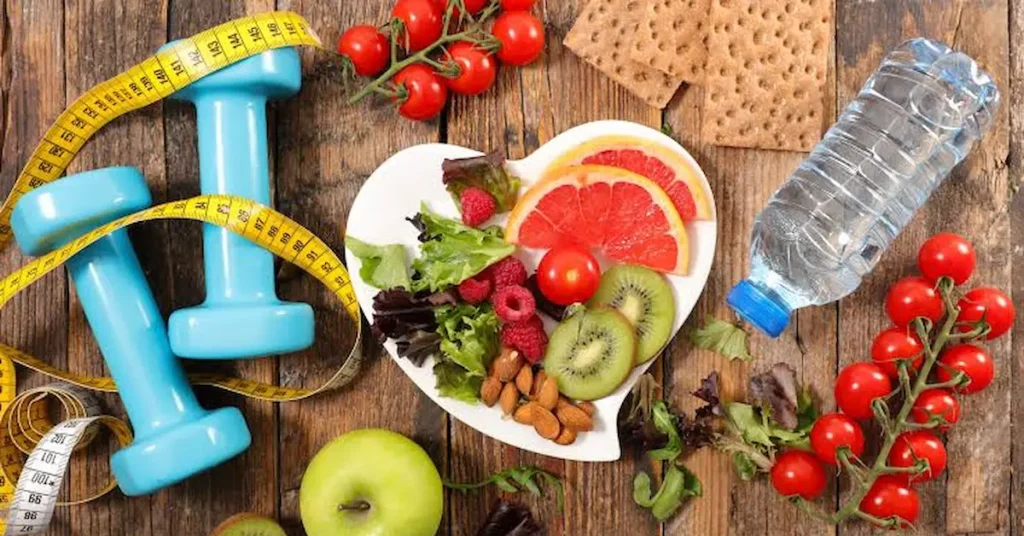
Water makes up roughly sixty percent of your body, and it is involved in nearly everything your body does: regulating temperature, transporting nutrients, cushioning joints, and clearing waste. Yet many people drift through the day mildly dehydrated, then wonder why they feel tired, headachy, and unable to concentrate by mid-afternoon. Building simple daily hydration habits is one of the cheapest and quickest health upgrades available, and it does not require drinking a rigid number of litres. It requires a system that makes drinking water the easy, automatic choice.
How Much Water Do You Actually Need?
The famous eight-glasses rule is a rough guide, not a law of nature. Your real needs depend on your size, activity level, the climate, and how much water you get from food, since fruit, vegetables, soups, and even cooked rice all contribute. A more reliable gauge is thirst combined with urine colour: pale straw is the goal, dark yellow means drink soon, and consistently clear can mean you are overdoing it. Most sedentary adults in mild climates do well on roughly one and a half to two litres of drinks a day, rising with exercise and hot weather. Let those signals guide you rather than forcing down water until you feel uncomfortable.
Start the Day With a Glass of Water
You wake up after six to eight hours without fluids, so the simplest of all daily hydration habits is a full glass of water before breakfast. Keep a bottle or glass by your bed or next to the kettle so the habit requires no thought. This first drink kick-starts digestion, eases morning grogginess, and puts you ahead for the day instead of playing catch-up. People building a healthier morning often pair it with the approaches in this guide to healthy sleep habits and deeper rest, since good sleep and good hydration reinforce each other: you sleep better hydrated, and you wake clearer after real rest.
Anchor Drinking to Things You Already Do
Habits stick when they attach to existing routines. Drink a glass of water with every meal, one before each coffee or tea, one when you arrive at your desk, and one during your mid-afternoon break. Carry a reusable bottle and treat finishing and refilling it as a small daily target. At work, keeping the bottle visible on your desk is a surprisingly powerful cue; out of sight really does mean out of mind. If plain water bores you, infuse it with cucumber, mint, citrus slices, or berries, or alternate with sparkling water. Herbal teas count too, and in colder months they may be the most pleasant way to stay topped up.
Eat Your Water as Well as Drink It
A meaningful share of your fluid intake, around a fifth, normally comes from food. Water-rich foods such as watermelon, oranges, cucumber, tomatoes, yoghurt, and soups hydrate you while also delivering vitamins, minerals, and fibre. Structuring meals around whole, fresh ingredients therefore supports hydration automatically, which is one more reason the advice in these balanced diet tips for building an energising plate pairs so naturally with drinking enough. Salty, heavily processed meals pull in the opposite direction, increasing thirst and water retention at the same time.
Adjust for Exercise, Heat, and Illness
Your baseline habits need flexing in certain situations. During exercise, drink before you start, sip regularly throughout, and replace fluids afterwards; for sessions over an hour or in serious heat, a drink containing electrolytes helps replace the salts lost in sweat. Weighing yourself before and after a long workout gives a rough picture of fluid loss. Illness changes the equation too: fever, vomiting, and diarrhoea can dehydrate you quickly, and small frequent sips or oral rehydration drinks are safer than waiting until you feel very thirsty. Older adults should take extra care, because the thirst signal weakens with age and dehydration can creep up unnoticed.
Spot Dehydration Before It Slows You Down
Mild dehydration is easy to miss because its symptoms masquerade as ordinary tiredness. A dull headache that builds through the afternoon, difficulty concentrating on familiar tasks, dry mouth and lips, irritability, and an energy slump that coffee only partly fixes are all classic early signs. Many people reach for a snack at three o’clock when what their body is actually asking for is fluid, so make a glass of water your first response to the afternoon dip and wait ten minutes before deciding you are hungry. Building daily hydration habits around these signals turns hydration into self-knowledge: you learn your own patterns, like needing more water on days you talk a lot at work, travel, or exercise at lunch. Keep a mental note of what works and adjust your routine seasonally, because the habits that keep you hydrated in a cool office in January may fall short during a hot, active week in July.
Signs You Are Getting It Right
When your daily hydration habits are working, the signs are pleasantly ordinary: steadier energy, fewer afternoon headaches, better concentration, more comfortable skin, and regular digestion. You should rarely feel intensely thirsty, and bathroom trips should be regular without being constant. Keep the system simple and visible: a bottle you like, water anchored to meals and breaks, water-rich foods on your plate, and adjustments when life gets hot, active, or unwell. Hydration is not a challenge to win once; it is a quiet background habit that makes almost every other healthy choice easier.
If you want one simple experiment, try this for a week: weigh nothing, count nothing, and simply drink a glass of water on waking, one with each meal, and one whenever you sit down at your desk or return home. Note your energy, headaches, and concentration each evening in a few words. Most people are surprised by how much difference such an unglamorous routine makes, and that surprise is valuable, because habits you have personally felt working are the ones you keep. Hydration will never trend like a miracle diet, but as foundations go, few are cheaper, safer, or more quietly effective.