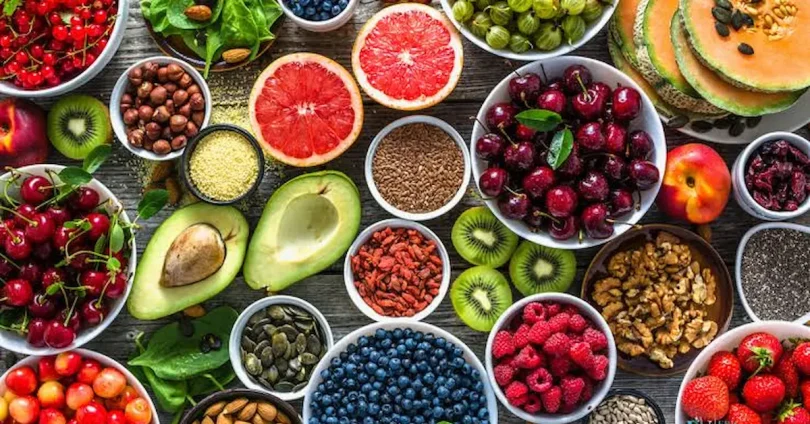

Healthy eating is one of the most important habits you can develop to improve your overall health and well-being. The food you eat every day provides your body with the energy and nutrients it needs to grow, repair itself, and function properly. By following Healthy Eating Habits, you can boost your energy, strengthen your immune system, maintain a healthy weight, and reduce the risk of many chronic diseases.
Many people believe that eating healthy means following strict diets or giving up their favorite foods. In reality, healthy eating is about making smarter food choices and building balanced habits that you can maintain for the long term. Small changes, such as eating more fruits and vegetables, drinking enough water, choosing whole grains, and reducing processed foods, can have a significant impact on your health.
Whether you are a student, a working professional, a parent, or simply someone who wants to live a healthier life, developing Healthy Eating Habits can help you feel better both physically and mentally. Good nutrition not only supports your body but also improves concentration, mood, productivity, and overall quality of life.
In this complete guide, you’ll learn practical and easy-to-follow Healthy Eating Habits that you can include in your daily routine. From choosing nutritious foods and controlling portion sizes to staying hydrated and planning healthy meals, this guide will help you build lifelong habits that support a healthier, happier, and more balanced lifestyle.
What Are Healthy Eating Habits?
Healthy Eating Habits are the daily food choices and eating routines that provide your body with the nutrients it needs to stay healthy. These habits involve eating balanced meals, choosing nutritious foods, drinking enough water, controlling portion sizes, and avoiding excessive amounts of sugar, salt, and processed foods.
Healthy eating is not about following a strict diet or avoiding your favorite foods completely. Instead, it focuses on making better food choices consistently. Small improvements in your eating habits can lead to long-term health benefits and help you maintain a healthier lifestyle.
Healthy Eating Is About Balance
One of the biggest misconceptions about healthy eating is that you must completely eliminate certain foods. In reality, healthy eating is about balance. You can still enjoy your favorite treats occasionally while making nutritious choices most of the time.
A balanced diet includes foods from all the major food groups because each group provides essential nutrients that your body needs to function properly.
Healthy Eating Supports Your Body
The food you eat acts as fuel for your body. Choosing nutritious foods helps your organs, muscles, bones, and brain work efficiently.
Healthy eating can help you:
- Increase energy levels.
- Build stronger muscles.
- Improve digestion.
- Strengthen your immune system.
- Maintain healthy bones.
- Support heart health.
Giving your body the right nutrition helps you stay active and healthy every day.
Healthy Eating Improves Mental Well-Being

Good nutrition also plays an important role in supporting your mental health. Eating balanced meals can improve concentration, memory, mood, and emotional well-being.
Healthy eating may help:
- Improve focus.
- Reduce tiredness.
- Support brain function.
- Improve mood.
- Lower stress levels. Healthy Eating Habits
- Increase productivity.
A healthy body and a healthy mind work together to improve your overall quality of life.
Healthy Eating Is a Daily Lifestyle
Healthy eating is not something you do for a few weeks. It is a lifelong habit that becomes part of your everyday routine. Making healthy food choices consistently is much more effective than following short-term diets.
Simple daily habits include:
- Eating breakfast.
- Choosing fresh foods.
- Drinking enough water.
- Eating fruits and vegetables.
- Limiting sugary snacks.
- Cooking more meals at home.
These habits become easier with practice and create lasting health benefits.
Everyone Can Build Healthy Eating Habits
Healthy eating is suitable for people of all ages. Children, teenagers, adults, and older adults all benefit from nutritious foods and balanced meals.
Your eating habits may vary depending on your age, activity level, and health goals, but the basic principles remain the same:
- Eat a variety of healthy foods.
- Choose fresh ingredients whenever possible.
- Avoid excessive processed foods.
- Stay hydrated.
- Eat in moderation.
Healthy eating can be adapted to fit almost any lifestyle.
Small Changes Make a Big Difference
Many people think they need to completely change their diet overnight. However, small improvements are often easier to maintain and lead to better long-term results.
You can start by:
- Drinking one extra glass of water each day.
- Adding vegetables to every meal.
- Replacing sugary drinks with water.
- Choosing whole-grain bread.
- Eating one healthy snack instead of chips.
These simple changes may seem small, but over time they can greatly improve your health.
Healthy Eating Habits Create a Healthier Future
Every healthy food choice you make today is an investment in your future. By building strong Healthy Eating Habits, you give your body the nutrients it needs to stay strong, active, and healthy. Consistent healthy eating helps reduce the risk of disease, improves daily energy, supports mental well-being, and allows you to enjoy a happier, healthier, and more balanced life for years to come.
you may also like it;
Healthy Product Reviews for Smarter Choices
Wellness Product Guide for a Healthier Lifestyle
Fitness Equipment Reviews for Smarter Buying
Health Supplement Reviews for Smarter Choices
Why Healthy Eating Habits Are Important
Following Healthy Eating Habits is one of the best ways to protect your health and improve your quality of life. Every meal you eat gives your body the nutrients it needs to perform daily functions, repair tissues, and produce energy. When you consistently choose healthy foods, your body becomes stronger, your mind stays sharper, and you feel better throughout the day.
Healthy eating is not only about preventing illness—it is also about helping you live an active, energetic, and balanced life.
Boosts Your Energy Levels
Your body needs the right nutrients to produce energy. Eating balanced meals throughout the day helps maintain steady energy levels and prevents tiredness.
Benefits include:
- More energy during the day.
- Less fatigue.
- Better physical performance.
- Improved concentration.
- Increased productivity.
- Better overall health.
Nutritious foods help your body perform at its best.
Strengthens Your Immune System
A healthy diet provides vitamins, minerals, and antioxidants that support your immune system and help your body fight infections.
Foods that support immunity include:
- Citrus fruits.
- Green leafy vegetables.
- Berries.
- Nuts and seeds.
- Yogurt.
- Fish.
A strong immune system helps you stay healthier throughout the year.
Supports Healthy Weight Management
Healthy Eating Habits make it easier to maintain a healthy weight without following extreme diets. Eating balanced meals and controlling portion sizes help prevent overeating.
Healthy weight management includes:
- Eating more fiber-rich foods.
- Choosing lean proteins.
- Drinking enough water.
- Limiting sugary foods.
- Staying physically active.
A healthy weight lowers the risk of many chronic diseases.
Improves Digestion
Your digestive system works better when you eat nutritious foods rich in fiber and drink enough water.
Healthy digestion benefits include:
- Regular bowel movements.
- Better nutrient absorption.
- Reduced bloating.
- Improved gut health.
- Less constipation.
- Better overall comfort.
Foods like fruits, vegetables, and whole grains are excellent for digestive health.
Protects Heart Health
A balanced diet helps keep your heart healthy by reducing unhealthy cholesterol levels and supporting normal blood pressure.
Heart-friendly foods include:
- Oats.
- Fish.
- Olive oil.
- Nuts.
- Fruits.
- Vegetables.
Eating fewer processed foods and unhealthy fats also supports long-term heart health.
Improves Brain Function
Your brain depends on proper nutrition to stay focused and function efficiently. Healthy foods improve memory, learning, and concentration.
Good nutrition can help:
- Improve memory.
- Increase focus.
- Support learning.
- Improve decision-making.
- Boost productivity.
- Reduce mental fatigue.
A healthy brain supports success at school, work, and in everyday life.
Reduces the Risk of Chronic Diseases
One of the biggest advantages of following Healthy Eating Habits is lowering your risk of developing many long-term health conditions.
Healthy eating may help reduce the risk of:
- Heart disease.
- Type 2 diabetes.
- High blood pressure.
- Obesity.
- Stroke.
- Certain cancers.
Eating nutritious foods today helps protect your health in the future.
Improves Overall Quality of Life
Healthy eating affects almost every part of your daily life. When your body receives proper nutrition, you feel stronger, healthier, and more confident. You have more energy to work, study, exercise, spend time with family, and enjoy your favorite activities.
By making healthy food choices every day, you can improve your physical health, support your mental well-being, and enjoy a happier, healthier, and more active lifestyle for years to come.
Build Healthy Eating Habits Step by Step
Developing Healthy Eating Habits doesn’t happen overnight. The best approach is to make small, realistic changes that you can maintain every day. Instead of trying to completely change your diet, focus on improving one habit at a time. These small changes gradually become part of your daily routine and lead to long-term success.
Healthy eating is a lifestyle, not a short-term diet. The more consistent you are, the easier it becomes to make nutritious food choices.
Start with Small Changes
Trying to change everything at once can feel overwhelming. Begin by improving one habit, then add another as it becomes part of your routine.
Simple changes include:
- Drink one extra glass of water each day.
- Add vegetables to every meal.
- Eat one piece of fruit daily.
- Replace sugary drinks with water.
- Choose whole-grain bread instead of white bread.
- Reduce fast food meals.
Small improvements can create big results over time.
Plan Your Meals in Advance
Meal planning helps you make healthier food choices and reduces the temptation to eat unhealthy snacks or fast food.
Benefits of meal planning include:
- Saves time.
- Reduces food waste.
- Helps control portions.
- Makes grocery shopping easier.
- Encourages balanced meals.
- Supports healthy eating goals.
Planning your meals for the week can make healthy eating much simpler.
Eat at Regular Times
Eating meals on a regular schedule helps your body maintain steady energy levels and supports healthy digestion.
Healthy meal habits include:
- Eat breakfast every morning.
- Have lunch at a consistent time.
- Eat dinner earlier in the evening.
- Avoid skipping meals.
- Choose healthy snacks when needed.
Regular eating patterns help prevent overeating and unnecessary cravings.
Choose Healthy Foods More Often
Healthy eating isn’t about avoiding all treats. It’s about making nutritious choices most of the time.
Try to eat more:
- Fresh fruits.
- Vegetables.
- Whole grains.
- Lean proteins.
- Healthy fats.
- Low-fat dairy products.
The more healthy foods you include in your diet, the easier healthy eating becomes.
Cook More Meals at Home
Preparing meals at home gives you greater control over ingredients, portion sizes, and cooking methods.
Benefits of home cooking include:
- Less added sugar.
- Less unhealthy fat.
- Better nutrition.
- Lower food costs.
- More variety.
- Healthier ingredients.
Home-cooked meals are often healthier than restaurant or takeaway food.
Keep Healthy Snacks Nearby

Having healthy snacks available helps you avoid unhealthy choices when hunger strikes.
Good snack options include:
- Apples.
- Bananas.
- Mixed nuts.
- Yogurt. Healthy Eating Habits
- Carrot sticks.
- Whole-grain crackers.
- Boiled eggs.
Healthy snacks help keep your energy levels steady throughout the day.
Stay Consistent Every Day
Consistency is the most important part of building healthy eating habits. You don’t need to eat perfectly every day. If you have an unhealthy meal occasionally, simply return to your healthy routine with your next meal.
Remember:
- Progress is more important than perfection.
- Healthy habits take time to develop. Healthy Eating Habits
- Small daily improvements lead to lasting success.
- Every healthy choice matters.
Healthy Eating Habits Become Easier with Time
At first, changing your eating habits may seem challenging, but with regular practice they become part of your lifestyle. Every healthy meal, every nutritious snack, and every positive food choice brings you closer to better health. By taking small steps and staying consistent, you can build Healthy Eating Habits that support your body, improve your energy, and help you enjoy a healthier and happier life for years to come. Healthy Eating Habits
What are Healthy Eating Habits?
Healthy Eating Habits are daily food choices that provide your body with the nutrients it needs to stay healthy. They include eating balanced meals, choosing nutritious foods, drinking enough water, and limiting processed foods.
Why are Healthy Eating Habits important?
Healthy Eating Habits help improve your energy, strengthen your immune system, support healthy weight management, improve digestion, and reduce the risk of many chronic diseases.
How can I start Healthy Eating Habits?
You can start by making small changes, such as eating more fruits and vegetables, choosing whole grains, drinking more water, eating balanced meals, and reducing sugary drinks and processed foods.
Conclusion
Building Healthy Eating Habits is one of the most effective ways to improve your overall health and well-being. You don’t need to follow strict diets or make drastic changes overnight. Instead, focus on making small, consistent improvements such as eating balanced meals, choosing fresh and nutritious foods, drinking enough water, controlling portion sizes, and limiting processed foods. These simple habits can have a lasting positive impact on your physical and mental health.
Remember that healthy eating is a lifelong journey, not a short-term goal. There will be days when you make less healthy choices, and that’s completely normal. The important thing is to stay committed and return to your healthy routine without giving up. Every nutritious meal and every healthy decision brings you one step closer to a stronger body and a healthier future.
By following these Healthy Eating Habits, you can increase your energy, maintain a healthy weight, strengthen your immune system, improve digestion, and reduce the risk of many chronic diseases. Start with one small change today, stay consistent, and enjoy the long-term benefits of a healthier, happier, and more balanced lifestyle.