
Common medical conditions affect millions of people around the world and can impact individuals of all ages. Some conditions, such as the common cold and seasonal flu, are temporary and usually improve with proper care. Others, including diabetes, high blood pressure, and heart disease, are long-term conditions that require ongoing management. Understanding these health issues is the first step toward protecting your well-being.
Many medical conditions develop due to a combination of factors, including genetics, lifestyle choices, age, and environmental influences. While some illnesses cannot be completely prevented, adopting healthy habits such as eating a balanced diet, exercising regularly, getting enough sleep, and attending routine medical check-ups can significantly reduce your risk.
Recognising the early signs and symptoms of common medical conditions is equally important. Early diagnosis and timely treatment can help prevent complications, improve recovery, and enhance your overall quality of life.
In this guide, you’ll learn about some of the most common medical conditions, their causes, symptoms, treatment options, and practical prevention tips. Whether you’re looking to improve your health or simply expand your knowledge, this article will provide clear, easy-to-understand information to help you make informed decisions about your well-being.
What Are Common Medical Conditions?
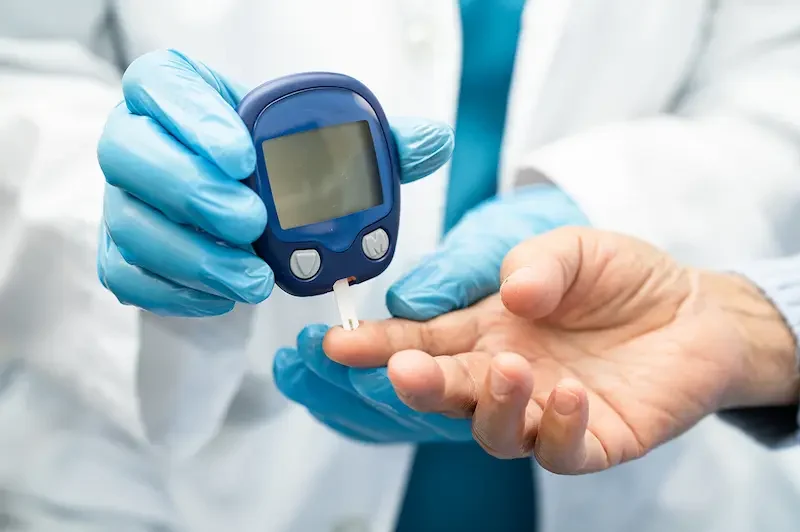
Common medical conditions are illnesses or health problems that affect a large number of people. They can range from mild, short-term conditions like the common cold to long-term diseases such as diabetes, high blood pressure, and asthma. Some conditions develop suddenly and go away after treatment, while others require lifelong care and management.
Medical conditions can affect different parts of the body, including the heart, lungs, brain, digestive system, skin, and joints. They may be caused by infections, genetics, unhealthy lifestyle habits, environmental factors, or the natural aging process. In many cases, a combination of these factors increases the risk of developing certain health conditions.
Types of Medical Conditions
Medical conditions are generally divided into two main categories:
Acute Medical Conditions: These develop suddenly and usually last for a short period. Examples include the common cold, influenza (flu), food poisoning, and minor infections. Most acute conditions improve with proper treatment and rest.
Chronic Medical Conditions: These are long-term health problems that often require ongoing medical care and lifestyle changes. Examples include diabetes, heart disease, arthritis, asthma, and high blood pressure. Although chronic conditions may not be curable, they can often be managed successfully with the right treatment. Common Medical Conditions
Common Causes and Risk Factors
Many factors can contribute to the development of medical conditions. Some of the most common include:
- Poor diet and unhealthy eating habits
- Lack of regular physical activity
- Smoking and excessive alcohol consumption
- Family history or genetic factors
- Aging
- Stress and poor mental health
- Exposure to viruses, bacteria, and other infections
- Environmental pollution
Why Understanding Medical Conditions Is Important
Learning about common medical conditions helps you recognise early symptoms and seek medical care when needed. Early diagnosis often leads to better treatment outcomes and can prevent serious complications. It also encourages healthy lifestyle choices that reduce the risk of developing many illnesses. Common Medical Conditions
Key Takeaway
Common medical conditions can affect anyone, regardless of age or lifestyle. Understanding their causes, symptoms, and risk factors empowers you to take preventive steps, recognise warning signs early, and maintain better overall health. Common Medical Conditions
Common Cold
The common cold is one of the most widespread illnesses, affecting people of all ages. It is a mild viral infection that mainly affects the nose and throat. Although it is usually not serious, it can cause discomfort and interfere with your daily routine. Most people recover from a common cold within 7 to 10 days without needing special medical treatment. Common Medical Conditions
What Causes the Common Cold?
The common cold is caused by different types of viruses, with rhinoviruses being the most common. These viruses spread easily from person to person through coughing, sneezing, talking, or touching contaminated surfaces and then touching your eyes, nose, or mouth.Common Medical Conditions
Common Symptoms
The symptoms of a common cold usually appear one to three days after infection and may include:
- Runny or blocked nose
- Sneezing
- Sore throat
- Cough
- Mild headache
- Low-grade fever (sometimes)
- Body aches
- Tiredness or fatigue
Symptoms are usually mild and improve gradually within a week.
Who Is at Risk?
Anyone can catch a common cold, but some people are more likely to become infected, including:
- Young children
- Older adults
- People with weakened immune systems
- Individuals who spend time in crowded places
- People who do not wash their hands regularly
Treatment
There is no cure for the common cold, but the symptoms can be managed with simple home care. Resting, drinking plenty of fluids, and eating nutritious foods can help your body recover more quickly. Over-the-counter medicines may also relieve symptoms such as fever, sore throat, or a blocked nose. However, antibiotics do not work against viruses and should only be used if prescribed by a healthcare professional for a bacterial infection.
Prevention Tips
You can reduce your risk of catching a common cold by following these healthy habits:
- Wash your hands regularly with soap and water.
- Avoid touching your face with unwashed hands.
- Cover your mouth and nose when coughing or sneezing.
- Stay away from people who are sick whenever possible.
- Clean frequently touched surfaces regularly.
- Eat a balanced diet, stay hydrated, and get enough sleep to support your immune system.
When Should You See a Doctor?
Most colds improve on their own, but you should seek medical advice if:
- Symptoms last longer than 10 days.
- You have a high fever that does not improve.
- You experience difficulty breathing or chest pain.
- Your symptoms become severe or suddenly worsen.
- A young child, older adult, or someone with a weakened immune system develops serious symptoms.
Key Takeaway
The common cold is a mild viral infection that usually gets better with rest and proper self-care. Practising good hygiene, maintaining a healthy lifestyle, and avoiding close contact with sick individuals are the best ways to prevent the spread of the common cold.
you may also like it;
Healthy Product Reviews for Smarter Choices
Wellness Product Guide for a Healthier Lifestyle
Fitness Equipment Reviews for Smarter Buying
Health Supplement Reviews for Smarter Choices
Influenza (Flu)

Influenza, commonly known as the flu, is a contagious viral infection that affects the respiratory system, including the nose, throat, and lungs. Unlike the common cold, the flu often comes on suddenly and can cause more severe symptoms. While most people recover within one to two weeks, some individuals may develop serious complications, especially young children, older adults, pregnant women, and people with weakened immune systems.
What Causes Influenza?
Influenza is caused by influenza viruses that spread easily from person to person. The virus is transmitted through tiny droplets released when an infected person coughs, sneezes, or talks. You can also become infected by touching contaminated surfaces and then touching your eyes, nose, or mouth.
Common Symptoms
Flu symptoms usually appear suddenly and may include:
- High fever
- Chills
- Dry cough
- Sore throat
- Runny or blocked nose
- Headache
- Muscle and body aches
- Extreme tiredness or fatigue
- Loss of appetite
Some people, especially children, may also experience nausea, vomiting, or diarrhoea.
Who Is at Risk?
Although anyone can get the flu, some people are more likely to develop severe illness, including:
- Children under five years old
- Adults aged 65 and older
- Pregnant women
- People with chronic medical conditions such as asthma, diabetes, or heart disease
- Individuals with weakened immune systems
Treatment
Most people recover from the flu by getting plenty of rest, drinking enough fluids, and taking over-the-counter medicines to reduce fever and relieve pain. In some cases, a doctor may prescribe antiviral medication, especially for people at high risk of complications. Antibiotics are not effective against influenza because it is caused by a virus.
Prevention Tips
You can reduce your risk of getting the flu by following these preventive measures:
- Get an annual flu vaccine if recommended by your healthcare provider.
- Wash your hands regularly with soap and water.
- Cover your mouth and nose when coughing or sneezing.
- Avoid close contact with people who are sick.
- Stay home if you have flu symptoms to prevent spreading the virus.
- Eat a healthy diet, exercise regularly, and get enough sleep to strengthen your immune system.
When Should You See a Doctor?
Seek medical attention if you experience:
- Difficulty breathing or shortness of breath
- Chest pain
- A high fever that lasts for several days
- Severe dehydration
- Confusion or difficulty staying awake
- Symptoms that improve but then return with a higher fever or worsening cough
Key Takeaway
Influenza is a common but potentially serious viral infection that spreads easily. Recognising the symptoms early, getting enough rest, and taking preventive measures such as good hygiene and annual vaccination can help protect you and those around you from the flu.
What are common medical conditions?
Common medical conditions are illnesses or health problems that affect many people. They include both short-term conditions, such as the common cold and flu, and long-term conditions like diabetes, high blood pressure, asthma, and heart disease.
What causes common medical conditions?
Medical conditions can develop due to various factors, including genetics, infections, unhealthy eating habits, lack of exercise, smoking, excessive alcohol consumption, stress, aging, and environmental factors. In many cases, a combination of these factors increases the risk.
Can common medical conditions be prevented?
Many common medical conditions can be prevented or their risk reduced by following a healthy lifestyle. Eating a balanced diet, exercising regularly, maintaining a healthy weight, getting enough sleep, avoiding smoking, limiting alcohol, and attending regular health check-ups are all effective preventive measures.
Conclusion
Common medical conditions can affect anyone, but understanding their causes, symptoms, and treatment options can help you take better care of your health. From short-term illnesses like the common cold and flu to chronic conditions such as diabetes, high blood pressure, and heart disease, early awareness plays a key role in preventing complications and improving overall well-being.
Living a healthy lifestyle is one of the most effective ways to reduce your risk of many medical conditions. Eating a balanced diet, exercising regularly, getting enough sleep, managing stress, avoiding smoking, and attending routine health check-ups can make a significant difference in your long-term health.
Remember, it’s important to pay attention to your body’s warning signs and seek medical advice if you experience persistent or unusual symptoms. Early diagnosis and timely treatment often lead to better outcomes and a faster recovery.
By making informed health choices and adopting healthy daily habits, you can protect yourself from many common medical conditions and enjoy a healthier, happier, and more active life.