

Personal health is the foundation of a happy, productive, and fulfilling life. It includes taking care of your physical, mental, and emotional well-being through healthy daily habits. While many people believe that staying healthy requires major lifestyle changes, the truth is that small, consistent actions can make a significant difference over time.
Simple habits such as eating nutritious foods, drinking enough water, exercising regularly, getting quality sleep, and managing stress can improve your overall health and reduce the risk of many illnesses. Taking care of your health also boosts your energy, strengthens your immune system, improves your mood, and helps you enjoy a better quality of life.
In this article, you’ll discover practical and easy-to-follow personal health tips that anyone can incorporate into their daily routine. Whether your goal is to feel more energetic, prevent disease, or simply live a healthier lifestyle, these tips will help you take positive steps toward better health every day.
Eat a Healthy and Balanced Diet
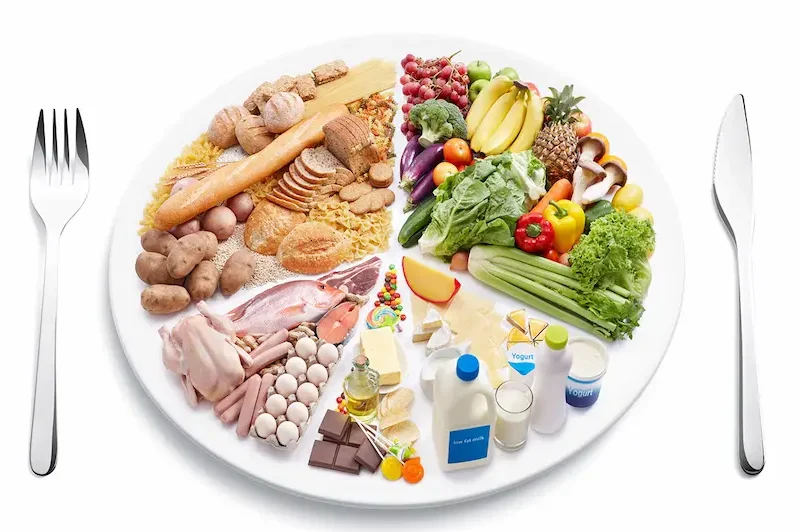
A healthy and balanced diet is the foundation of good health. The food you eat provides your body with the nutrients it needs to function properly, maintain energy levels, and protect against diseases. Making healthy food choices every day can improve your overall well-being and help you live a longer, healthier life.
Include More Fruits and Vegetables
Fruits and vegetables are packed with essential vitamins, minerals, fibre, and antioxidants. They support your immune system, improve digestion, and reduce the risk of many chronic diseases. Aim to include a variety of colourful fruits and vegetables in your daily meals.
Choose Whole Grains
Whole grains such as brown rice, oats, whole-wheat bread, and quinoa contain more nutrients and fibre than refined grains. They help keep you full for longer, support healthy digestion, and provide steady energy throughout the day.
Eat Lean Protein
Protein is essential for building and repairing muscles, tissues, and cells. Choose healthy protein sources like chicken, fish, eggs, beans, lentils, tofu, and low-fat dairy products. These foods help keep your body strong and support overall health.
Limit Processed and Sugary Foods
Processed foods, sugary drinks, and snacks high in salt and unhealthy fats can increase the risk of obesity, heart disease, and diabetes. Instead of eating these foods regularly, choose healthier alternatives such as fresh fruit, nuts, yoghurt, or homemade meals. Personal Health Tips
Practice Portion Control
Eating the right amount of food is just as important as choosing healthy foods. Large portions can lead to overeating and weight gain. Use smaller plates, eat slowly, and pay attention to your body’s hunger and fullness signals to maintain a healthy balance.
Key Takeaway
A balanced diet doesn’t mean giving up your favourite foods. It means enjoying a variety of nutritious foods in the right portions while limiting unhealthy choices. Small improvements in your eating habits can have a big impact on your long-term health.
Stay Hydrated
Staying hydrated is essential for maintaining good health. Water plays a vital role in almost every function of the body, including regulating body temperature, transporting nutrients, aiding digestion, and removing waste. Drinking enough water every day helps your body function efficiently and keeps you feeling your best. Personal Health Tips
Why Hydration Is Important
Your body is made up of about 60% water, making hydration essential for overall health. Proper water intake supports healthy organs, lubricates joints, improves circulation, and helps maintain healthy skin. Even mild dehydration can affect your energy levels and concentration. Personal Health Tips
How Much Water Should You Drink?
Most adults should aim to drink around 6–8 glasses (1.5–2 litres) of water each day. However, your water needs may increase if you exercise regularly, spend time in hot weather, or are recovering from illness. Listen to your body’s thirst signals and drink water throughout the day. Personal Health Tips
Signs of Dehydration
It’s important to recognise the early signs of dehydration. Common symptoms include:
- Feeling thirsty
- Dry mouth or lips
- Dark yellow urine
- Headaches
- Fatigue or low energy
- Dizziness
If you notice these signs, drink water as soon as possible to rehydrate your body. Personal Health Tips
Easy Ways to Drink More Water
Making hydration a daily habit is easier than you might think. Carry a reusable water bottle, drink a glass of water when you wake up, have water with every meal, and choose water instead of sugary drinks whenever possible. You can also eat water-rich foods such as watermelon, cucumbers, oranges, and strawberries. Personal Health Tips
Avoid Sugary Drinks
Soft drinks, energy drinks, and sugary juices often contain high amounts of added sugar and unnecessary calories. Drinking these beverages regularly can contribute to weight gain and other health problems. Water is the healthiest choice for staying hydrated.
Key Takeaway
Drinking enough water every day is one of the simplest ways to support your overall health. By staying hydrated, you can improve your energy, digestion, focus, and physical performance while helping your body function at its best.Personal Health Tips
you may also like it;
Healthy Product Reviews for Smarter Choices
Wellness Product Guide for a Healthier Lifestyle
Fitness Equipment Reviews for Smarter Buying
Health Supplement Reviews for Smarter Choices
Exercise Regularly
Regular exercise is one of the best ways to improve your overall health and well-being. Physical activity strengthens your body, boosts your energy levels, and helps reduce the risk of many chronic diseases. Even a small amount of daily exercise can make a big difference to your physical and mental health. Personal Health Tips
Benefits of Regular Exercise
Exercise offers many health benefits beyond weight management. It strengthens your heart and muscles, improves flexibility, boosts your immune system, and supports healthy bones and joints. Regular physical activity also helps reduce stress, improves mood, and promotes better sleep. Personal Health Tips
Aim for Daily Physical Activity
Health experts recommend at least 150 minutes of moderate exercise each week, which is about 30 minutes a day for five days. You don’t have to complete it all at once. Short sessions throughout the day can be just as effective. Personal Health Tips
Choose Activities You Enjoy
The best exercise is the one you enjoy and can do consistently. Some popular options include:
- Walking or jogging
- Cycling
- Swimming
- Dancing
- Yoga
- Strength training
- Playing sports
Choosing activities you like makes it easier to stay motivated and build a long-term habit.
Stay Active Throughout the Day
You don’t need a gym membership to stay active. Simple lifestyle changes can increase your daily movement. Take the stairs instead of the lift, walk during phone calls, stretch after sitting for long periods, or do household chores that keep you moving.
Start Slowly and Be Consistent
If you’re new to exercise, begin with light activities and gradually increase the intensity and duration. Consistency is more important than doing intense workouts occasionally. Setting realistic goals can help you stay on track and avoid injuries.
Listen to Your Body
Exercise should challenge you, but it shouldn’t cause pain. Warm up before each workout, cool down afterwards, and give your body enough time to recover. If you feel pain or discomfort, stop exercising and seek medical advice if necessary.
Key Takeaway
Regular exercise is essential for a healthy lifestyle. By staying active every day, you can improve your strength, boost your mood, maintain a healthy weight, and reduce the risk of many health problems. The key is to choose activities you enjoy and make exercise a regular part of your daily routine. Personal Health Tips
Get Enough Sleep

Getting enough sleep is just as important as eating a healthy diet and exercising regularly. Quality sleep allows your body to rest, repair itself, and prepare for the next day. A good night’s sleep improves your physical health, supports brain function, and helps you stay active and focused throughout the day. Personal Health Tips
Why Sleep Is Important
Sleep plays a vital role in maintaining both physical and mental health. During sleep, your body repairs muscles, strengthens the immune system, and restores energy. It also helps improve memory, concentration, and emotional well-being. Poor sleep can increase the risk of obesity, heart disease, diabetes, and other health problems. Personal Health Tips
How Much Sleep Do You Need?
The amount of sleep you need depends on your age. Most adults should aim for 7–9 hours of sleep each night, while teenagers and children generally require more. Getting enough sleep consistently is more beneficial than trying to catch up on sleep during weekends. Personal Health Tips
Create a Healthy Sleep Routine
Going to bed and waking up at the same time every day helps regulate your body’s internal clock. A consistent sleep schedule makes it easier to fall asleep and wake up feeling refreshed. Personal Health Tips
Reduce Screen Time Before Bed
Using smartphones, tablets, or computers before bedtime can make it harder to fall asleep. The blue light from screens can interfere with your body’s natural sleep cycle. Try to avoid electronic devices for at least one hour before going to bed.
Make Your Bedroom Comfortable
A quiet, dark, and cool bedroom creates the ideal environment for restful sleep. Use comfortable bedding, reduce noise, and keep the room at a comfortable temperature to improve sleep quality. Personal Health Tips
Avoid Caffeine and Heavy Meals at Night
Drinking coffee, tea, or energy drinks late in the evening can keep you awake. Eating large or spicy meals before bedtime may also cause discomfort and disrupt your sleep. Choose light snacks if you feel hungry before bed.
Key Takeaway
Getting enough quality sleep is essential for a healthy body and mind. By following a regular sleep schedule and creating healthy bedtime habits, you can improve your energy, concentration, mood, and overall well-being.
What are the most important personal health tips?
The most important personal health tips include eating a balanced diet, drinking enough water, exercising regularly, getting 7–9 hours of sleep, managing stress, practicing good hygiene, and having regular health checkups. These healthy habits can improve your overall well-being and reduce the risk of many diseases.
How can I improve my health naturally?
You can improve your health naturally by eating fresh fruits and vegetables, staying physically active, drinking plenty of water, getting enough sleep, avoiding smoking and excessive alcohol, and managing stress through activities like meditation, deep breathing, or spending time outdoors.
How much exercise should I do each week?
Adults should aim for at least 150 minutes of moderate-intensity exercise or 75 minutes of vigorous-intensity exercise each week. You should also include muscle-strengthening activities at least two days per week for better overall fitness.
Conclusion
Taking care of your personal health is one of the best investments you can make for your future. Healthy habits such as eating a balanced diet, staying hydrated, exercising regularly, getting enough sleep, managing stress, and practicing good hygiene can greatly improve your physical and mental well-being.
Remember, you don’t need to make dramatic changes overnight. Start with one or two healthy habits and build on them over time. Small, consistent steps can lead to lasting improvements and help you live a longer, happier, and healthier life.
By making your health a daily priority, you’ll enjoy more energy, better focus, a stronger immune system, and a higher quality of life. Begin your journey today, stay consistent, and give your body and mind the care they deserve.